Kimchi Fougasses
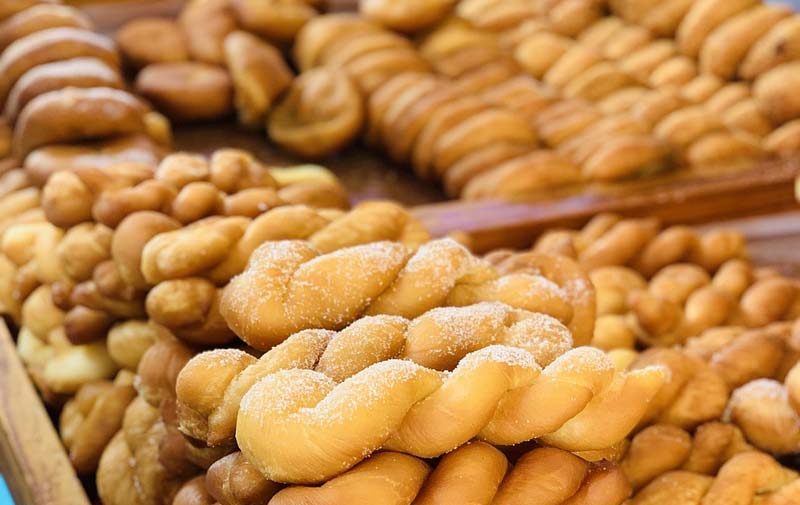
These savory fougasses combine a rustic bread dough with the spicy, tangy flavor of kimchi, creating a delightful twist on the traditional Provençal flatbread. Perfect as a snack, appetizer, or accompaniment to soups and salads, these breads offer a unique fusion of textures and tastes. Serve them warm for the best experience. This recipe yields approximately 6 fougasses, serving 6–8 people as an appetizer or side.
Ingredients
Fougasse dough
- 350 g flour
- 50 g whole-wheat flour
- 14 g fresh compressed yeast, crumbled
- 200 ml water
- 50 ml olive oil
- 12 g salt
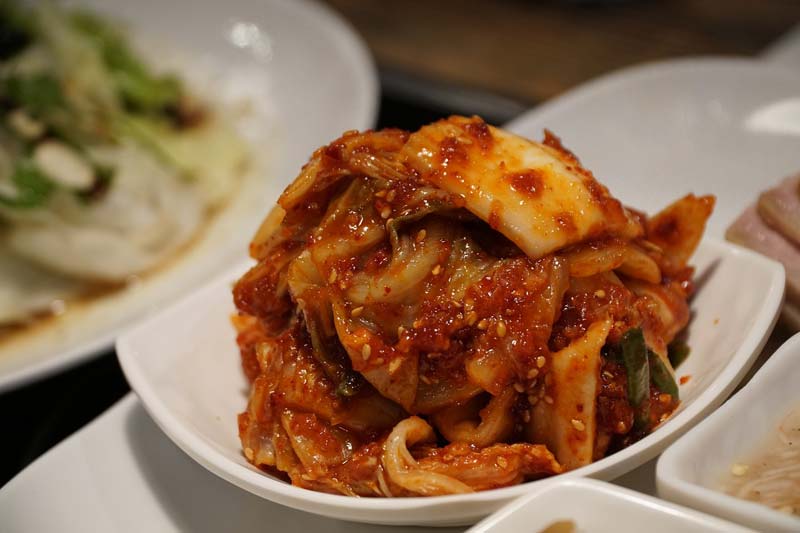
- 100 g kimchi baechu, finely chopped
- Extra flour (for dusting)
- Extra olive oil (for brushing)
Equipment needed
- Large mixing bowl
- Work surface
- Damp kitchen towel
- Baking sheet
- Small sharp knife or razor blade
- Pastry brush
- Oven
Instructions
Step 1: Prepare the dough
- Sift 350 g flour and 50 g whole-wheat flour onto a clean work surface, creating a well in the center. Place 14 g crumbled fresh yeast on one side of the well.
- Pour 200 ml water and 50 ml olive oil into the well. Gradually draw in the flour from the edges using your fingers, mixing until a rough dough forms.
Step 2: Mix and knead the dough
- Transfer the dough to a lightly floured surface. Push the dough away with one hand while pulling it back with the other, then fold it over itself and give it a quarter turn. Repeat this kneading process for 5 minutes.
- Sprinkle 12 g salt over the dough and continue kneading for another 5 minutes until the dough is smooth and elastic. Shape it into a smooth ball.
- Lightly flour a large bowl, place the dough ball in it, and roll it to coat with flour to prevent a crust from forming. Cover with a damp kitchen towel and let rise at room temperature for 1 hour, or until doubled in size.
Step 3: Shape and fill the fougasses
- Divide the risen dough into 6 equal portions (pattes).
- Using the palm of your hand, flatten each portion into an oval shape on a lightly floured surface.
- Place about 16–17 g of finely chopped kimchi baechu (divided equally among the 6 portions) in the center of each oval. Fold the long sides of the dough over the kimchi to meet in the middle, fully encasing the filling. Carefully turn the filled dough seam-side down.
Step 4: Final shaping and proofing
- Transfer the filled dough ovals to a lightly oiled baking sheet.
- Gently flatten each fougasse and, using a small sharp knife or razor blade, score the surface with 5 or 6 shallow cuts to create a decorative pattern.
- Brush the tops with olive oil. Set aside at room temperature for 40 minutes to rise again.
Step 5: Bake and serve
- Preheat the oven to 230°C.
- Brush the surface of each fougasse again with olive oil.
- Place the baking sheet in the preheated oven and bake at 230°C for 15 minutes, or until golden brown and crisp.
- Serve warm or at room temperature.
Flavor profile
These fougasses offer a delightful contrast between the chewy, crusty bread exterior and the soft, spicy interior infused with the tangy flavor of kimchi. The whole-wheat flour adds a nutty depth, while the olive oil enhances the richness, creating a savory and satisfying bread with a unique twist.
Serving suggestion
Serve warm as an appetizer with a dipping sauce like olive oil and balsamic vinegar, or as a side to soups and salads. This recipe yields 6 fougasses, serving 6–8 as an appetizer or side, making it ideal for sharing at gatherings or casual meals.
Tips
- Ensure the yeast is fresh and active; if using active dry yeast instead of compressed, use 5 g and activate it in warm water first.
- Knead the dough thoroughly to develop gluten, which gives the fougasses their structure and chewiness.
- Handle the filled dough gently when turning to prevent the kimchi from breaking through the seal.
- Score the dough deeply enough to allow expansion during baking, but avoid cutting through to the filling.
- Use fermented kimchi for a deeper, more complex flavor; the acidity will enhance the bread’s taste but may require adjusting salt levels—taste the dough and adjust accordingly.