Sangrye: Korean Traditional Funeral Rites
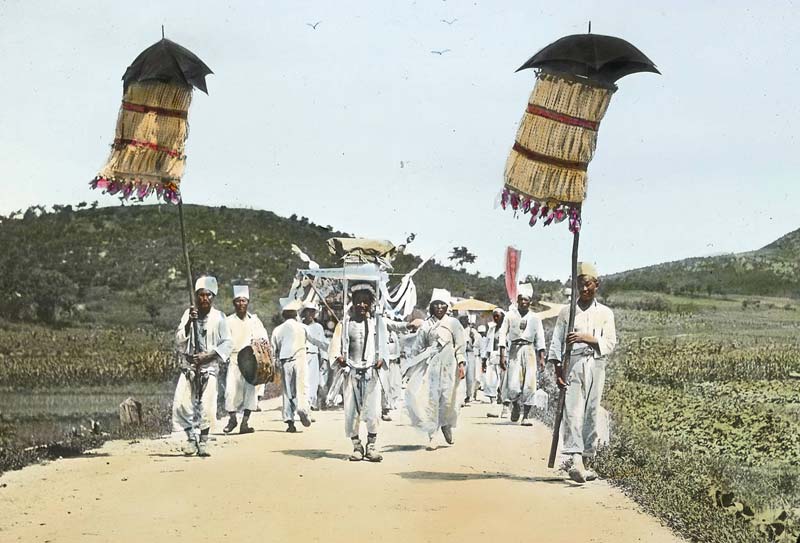
Sangrye, the traditional Korean funeral rites, embody the solemn final passage of life, deeply rooted in Confucian principles and ancestral worship. These rituals, shaped by centuries of custom, center on filial piety (hyo), respect for the deceased, and the spiritual transition of the soul to the afterlife. Conducted with profound courtesy and gravity, Sangrye serves as a communal expression of grief, ensuring the deceased is honored and their spirit guided peacefully. While modern Korean funerals have adapted to contemporary life, incorporating practices like cremation and shortened mourning periods, the essence of Sangrye endures, blending tradition with practicality in today’s society.
Historical and Confucian Foundations
Sangrye traces its origins to ancient Korean traditions, profoundly shaped by Confucianism during the Joseon Dynasty (1392–1910), when it became the state philosophy. Confucianism, with its emphasis on moral order and familial duty, views death as a continuation of life through rituals that honor ancestors. The Chinese text Zhongyong (Doctrine of the Mean) instructs: “Serve the dead as if they are alive, and the non-existent as if they exist,” highlighting the importance of treating the deceased with the same reverence as the living. The term “Sang” reflects a state midway between “Sa” (decay of the flesh) and “Jong” (termination of humanity), symbolizing a respectful liminal phase.
The Liji (Book of Rites), referred to in Korean as Yegi, provides detailed guidance on mourning practices, prescribing three years of mourning for parents to reflect ultimate filial piety, three years of mourning garb for a king’s death, and a “heart funeral” of three years for a teacher’s passing, emphasizing emotional and spiritual devotion. These principles were formalized during the Joseon Dynasty, when Sangrye became one of the “Four Ceremonial Occasions” (Gwanhonsangje), alongside coming-of-age, marriage, and ancestral rites. Earlier, during the Three Kingdoms period, funerals involved fixed mourning periods and burial practices, while the Goryeo Dynasty (918–1392) introduced Buddhist influences like cremation. Shamanistic elements, such as soul-cleansing rites (Ssigum Kut) in southern regions, also persist, blending indigenous beliefs with Confucian structure.
Mourning Garments and Symbolism
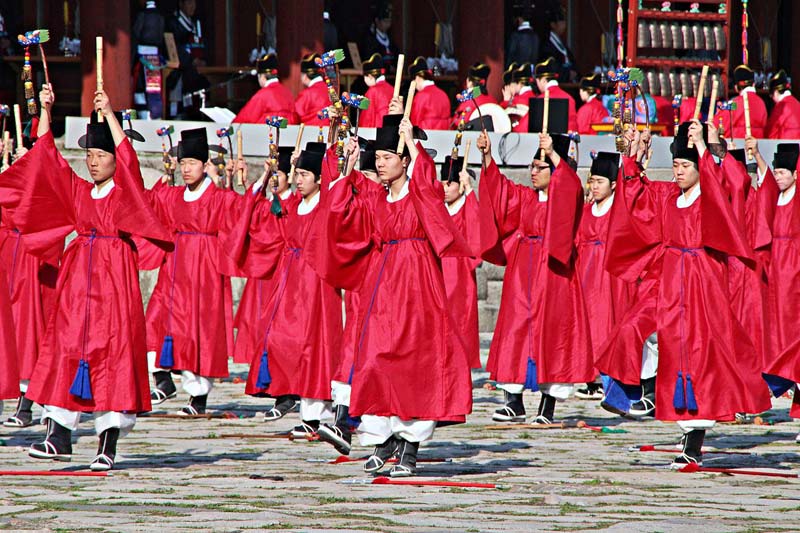
Mourning garments, known as sangbok, are central to Sangrye, embodying grief, hierarchy, and respect in line with Confucian values. Traditional attire includes a hempen hood (sangbok mosi), dopo (formal full-dress robe), durumagi (overcoat), wonsam (ceremonial gown for women), a mourning band or badge, cotton jeogori (jacket), jeoksam (unlined summer jacket), cotton trousers, shoes, cotton socks, ear-plugs (to seal the senses), a sheet, and a mattress for the vigil. White, the color of mourning in Korean culture, dominates, symbolizing purity and sorrow—women wear white skirts, coats, and rubber shoes, while men don white overcoats with hempen hoods and armbands.
Historically, the duration of wearing these garments varied by kinship: three years for the chief mourner (typically the eldest son, sangju), one year for close relatives, nine months for siblings, five months for uncles or aunts, and three months for distant kin. This graded mourning system (sangbok gye) reinforced filial piety but has largely been abandoned today due to practical constraints. Modern mourners often wear black Western suits with black ties, socks, and shoes, accented by a hempen badge or armband. Women may choose black hanbok (traditional dress) with white hairpins. These adaptations preserve the ritual’s solemnity while aligning with contemporary urban lifestyles, though traditional attire persists in rural or conservative families.
Ceremony Procedures
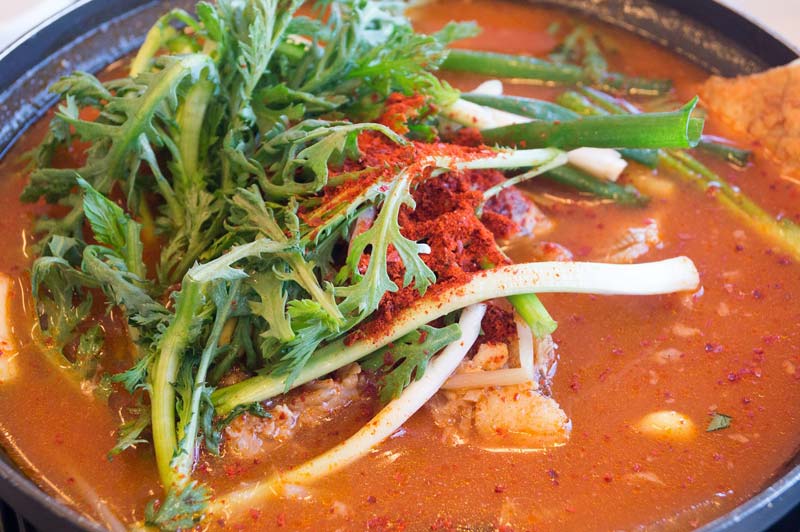
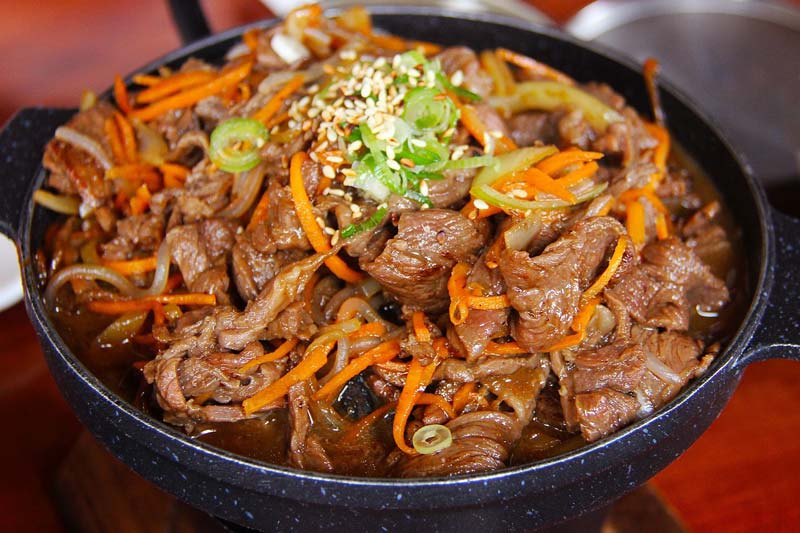
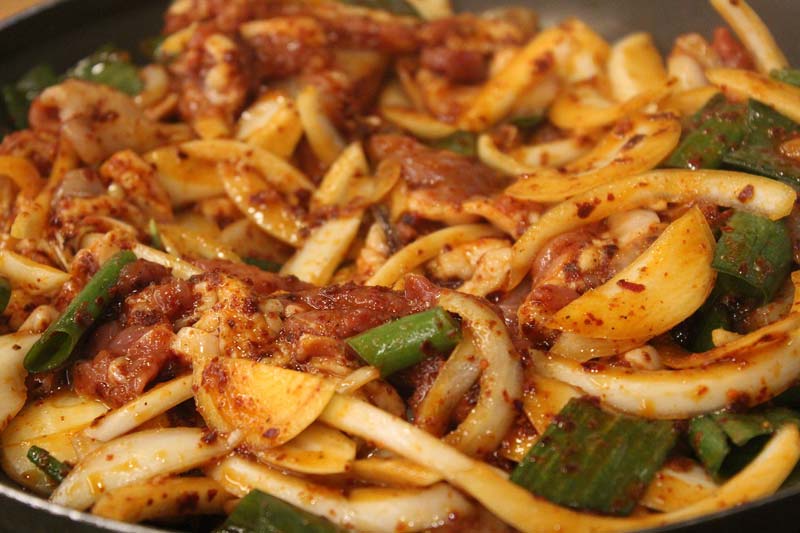
Sangrye traditionally spans three days and nights, a structure rooted in Joseon customs, though modern versions are often condensed. Central to the ritual are the offerings of food and drink, which symbolize sustenance for the deceased’s spirit and communal unity among the living. The offering table is laden with carefully prepared dishes, including steamed rice, savory soups like yukgaejang (spicy beef soup with red chili to ward off malevolent spirits), grilled meats, fish, and side dishes (banchan) such as pickled vegetables, fermented soybean pastes, and dried seaweed. These foods, rooted in traditional Korean cuisine, reflect the abundance of the land and the family’s devotion to nourishing the ancestor’s soul. Rice, a staple, signifies life and continuity, while chili in yukgaejang serves as a protective element against spiritual harm. The rice liquor soju is offered and later shared, symbolizing the sharing of blessings and the cyclical nature of life and death.
The rites begin immediately upon death, with the body prepared at home or in a funeral hall, emphasizing the soul’s transition and communal support. Confucian principles encourage outward expressions of grief, particularly through wailing (kok) by women, which announces the passing and honors the deceased’s significance. The sangju—typically the eldest son or grandson—takes responsibility for preparations, symbolizing acceptance of the parent’s departure. The body is washed with incense water, nails and hair trimmed, and dressed in white burial clothes (suui) before being laid in repose. Cotton is placed in the mouth, ears, and orifices to contain the spirit, with coins covering the eyes and rice in the mouth to aid the afterlife journey. The body is shrouded and placed in a coffin, often with a portrait at the altar. Family members, dressed in mourning attire, perform initial bows and present offerings: three bowls of rice and three banchan, symbolizing sustenance for the soul.
On the first night, mourners maintain a vigil (sosang), staying awake and sometimes playing games like Go-Stop to combat fatigue while greeting guests. Foods like yukgaejang, pork or beef head meat (meoritgogi), and soju are served, fostering communal bonds. Guests offer condolence money (jo-uigeum or bu-ui) in envelopes, bowing twice to the deceased’s portrait and once to the family. Traditional funerals omit eulogies, but a funeral oration may highlight the deceased’s life and virtues.
The second day continues with rituals, including jesa (ancestral offerings) and ongoing vigils. On the third morning, the coffin is transported to the burial or cremation site. At the grave, the sangju treads the earth after lowering the coffin, followed by family members, before a mound is built and grass laid. Post-burial, rites like the 49th-day ceremony (common in Buddhist-influenced families) involve burning the deceased’s clothes to release lingering regrets. The entire process, marked by solemnity and courtesy, ensures the spirit’s peaceful passage, with women expressing grief through weeping and men maintaining composure.
Modern Significance and Adaptations
In contemporary Korea, Sangrye has adapted to urbanization, industrialization, and religious diversity while retaining its Confucian core. Funerals now typically occur in professional halls rather than homes, lasting three days, with cremation preferred over burial due to space constraints—over 80% of funerals involve cremation, often with ashes scattered (jayeonjang) or stored in columbaria. Mourning periods have shortened significantly: three days of active rites are standard, with optional 49-day Buddhist observances or annual jesa on death anniversaries, Chuseok, or Lunar New Year. Influences from Buddhism (soul rebirth), Shamanism (spirit-cleansing kut rites), and Christianity (church services) blend with Confucian elements, creating hybrid ceremonies.
A notable modern phenomenon is the rise of “mock funerals” (sangjang), where individuals stage their own funeral ceremonies to reflect on mortality and prepare for death. These events, often facilitated by funeral homes or wellness programs, allow participants to lie in a coffin, write farewell letters, and experience a simulated funeral, fostering a deeper appreciation for life and family. This practice, rooted in Korea’s aging population and economic shifts, highlights the evolving nature of Sangrye while maintaining its focus on filial piety. Condolence money (jo-uigeum) continues to support funeral costs, and innovations like funeral insurance enable elaborate rites without financial burden. As part of Korea’s broader cultural heritage, recognized indirectly through UNESCO-listed rites like Jongmyo Jerye, Sangrye reinforces family ties and national identity. It continues to remind Koreans of life’s impermanence and the enduring power of tradition, evolving while honoring its roots.