Gwanrye: Korean Traditional Coming-of-Age Ceremony
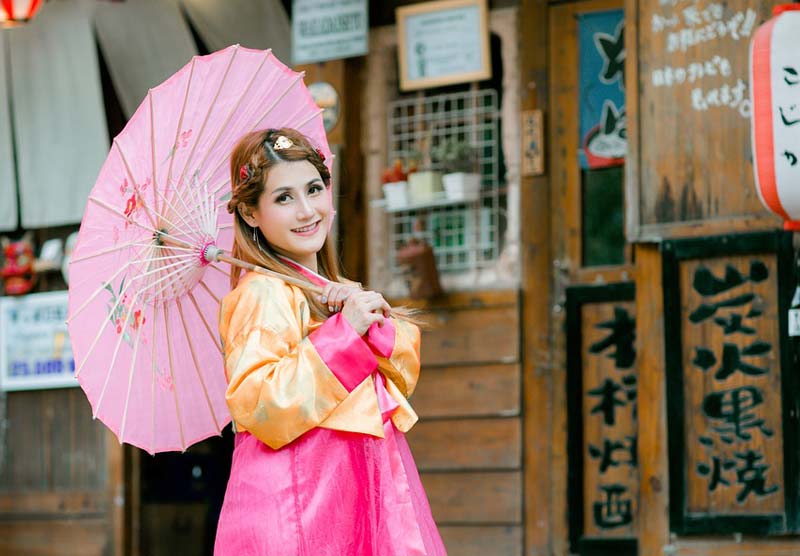
Gwanrye, the traditional Korean coming-of-age ceremony, marks the transition of youth into adulthood, signifying their readiness to assume social responsibilities with maturity and decorum. Rooted in Confucian principles, the ceremony—known as Gwanrye for young men and Gyerye for young women—celebrates not only physical maturity but also the cultivation of virtues essential for societal roles. For men, the rite involves tying hair into a topknot and donning a traditional cylindrical hat, while for women, it entails forming a chignon adorned with an ornamental hairpin. Historically performed between ages 15 and 20, Gwanrye instills a sense of duty toward family and community, guiding young adults to embody respect, responsibility, and moral integrity. Though less common today due to modernization, its legacy endures in Korea’s Coming of Age Day, blending tradition with contemporary celebrations of adulthood.
Historical and Confucian Foundations
The origins of Gwanrye trace back to ancient China, introduced to Korea during the Three Kingdoms period (57 BCE–668 CE) alongside Confucian etiquette. Confucianism, which became the state philosophy during the Joseon Dynasty (1392–1910), views coming-of-age rites as a pivotal moment in the “Four Ceremonial Occasions” (Gwanhonsangje), alongside marriage, funerals, and ancestral rites. The Liji (Book of Rites), known in Korean as Yegi, outlines these rituals, emphasizing the transition to adulthood as a time to instill filial piety (hyo) and social responsibility. Historical records, such as those from 966 CE in the History of Goryeo, document King Gwangjong clothing his son in ceremonial garb to anoint him as crown prince, a formal Gwanrye. Similarly, during King Uijong’s reign (1146–1170), the 18th king of Goryeo, records note a “ceremony of clothing the prince,” underscoring the rite’s royal significance.
While influenced by Chinese models, Gwanrye developed distinct Korean characteristics. Unlike the more standardized Chinese rites, Korean ceremonies incorporated indigenous elements, such as shamanistic blessings for health and prosperity during the Silla and Goryeo periods, and Buddhist influences in the form of offerings. By the Joseon era, Gwanrye and Gyerye became formalized, reflecting Korea’s emphasis on family lineage and communal harmony, with rituals tailored to gender roles while promoting universal virtues of respect and duty.
Significance of Gwanrye
Gwanrye and Gyerye were traditionally held for youths aged 15 to 20, marking their entry into adulthood with responsibilities toward parents, siblings, and society. An auspicious day, typically in January, was chosen, though April or July sufficed if needed, aligning with Confucian beliefs in cosmic harmony. The ceremony served as more than a celebration of maturity; it was a rite of passage that prepared young adults for their roles as moral and social contributors. Men, through Gwanrye, were equipped to uphold family honor and civic duties, while women, through Gyerye, were guided to embody grace and household leadership. The rituals instilled a lifelong commitment to good manners, reinforcing the Confucian ideal of harmonious relationships within family and community.
Ceremonial Garments and Symbolism
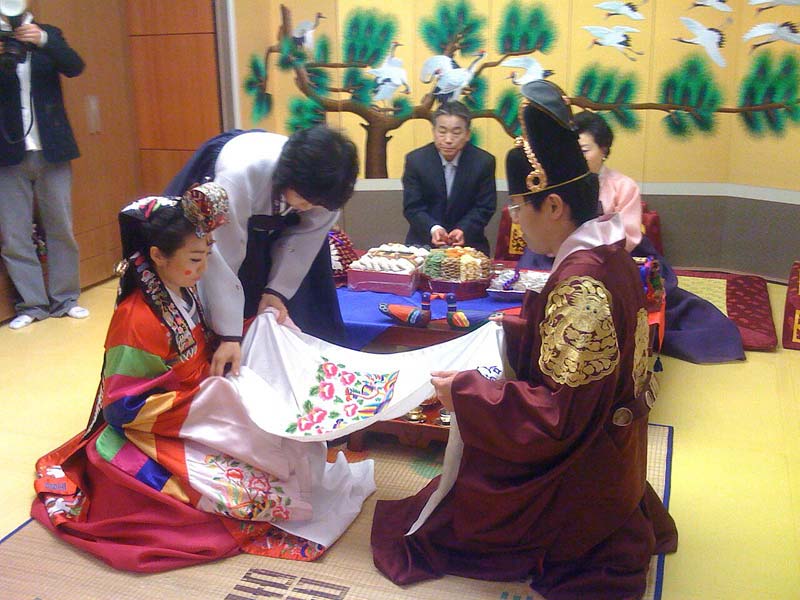
The garments of Gwanrye and Gyerye are rich in symbolism, reflecting Confucian values of hierarchy, purity, and readiness for adult roles. For men, Gwanrye involves three stages of attire. In the first, the youth wears trousers, a jeogori (Korean jacket), a vest, and a jeonbok or sagyusam (formal robe), topped with a bokgun (cloth headgear) to signify humility. The second stage adds a leather belt and shoes, symbolizing readiness for action, while the third features a samo (official hat) and gwandae (ceremonial belt), marking full maturity and authority. For women, Gyerye begins with a red skirt and yellow jeogori, colors representing vitality and joy. The second stage includes a durumagi (overcoat) and an ayam (winter cap), denoting elegance, while the third stage adds a wonsam (ornate gown) and jokduri (decorative headpiece), symbolizing grace and marital readiness. These garments, carefully chosen, reflect the transition from youth to adulthood and the adoption of gendered social roles.
Ceremony Procedures
Gwanrye and Gyerye unfold through three meticulously orchestrated stages—Chogarye, Jaegarye, and Samgarye—each accompanied by symbolic acts that guide the youth toward maturity. The ceremonies, attended by parents, siblings, and relatives, emphasize communal support and ancestral reverence, with food and rituals reinforcing the occasion’s solemnity.
Three days before the ceremony, the young man and his father visit the family shrine, bearing offerings of fruit, sliced meat, and rice wine (cheongju). They place these before ancestral tablets, open the hondok (box containing ancestral inscriptions), burn incense, pour wine, and perform two bows, kneeling to read an admonitory address aloud. This act invokes ancestral blessings and sets a tone of reverence. For Gyerye, women may perform similar preparatory rites, though often with maternal guidance, focusing on offerings like tteok (rice cakes) for prosperity.
On the ceremony day, Chogarye, the first stage, begins with the youth’s transformation. For men, hair is gathered into a topknot, a symbol of maturity, and a bokgun is placed on the head. Women form a chignon, adorned with a hairpin, and don a red skirt and yellow jeogori, signifying vitality. In Jaegarye, the second stage, men receive a straw hat, denoting readiness for social duties, while women add a durumagi and ayam, embodying elegance. The final stage, Samgarye, sees men replace the straw hat with a samo and gwandae, signifying full adulthood, while women wear a wonsam and jokduri, preparing them for future roles as wives and mothers. The youth then demonstrates tea-making, a Confucian act of respect, serving it to family members to symbolize gratitude and duty.
A feast follows, hosted for guests and the presiding elder, featuring tteok, noodles, fruits, sweet rice drink (sikhye), fruit punch (sujeonggwa), and cheongju. These foods carry symbolic weight: tteok represents prosperity, noodles signify longevity, and sujeonggwa invokes harmony. The feast reinforces communal bonds, with the youth, now an adult, taking a central role in serving and honoring attendees.
Note: A diagram or photograph of the ceremonial garments (samo, jokduri) or the arrangement of offerings (e.g., tteok, cheongju) could visually clarify the symbolic elements of the ceremony.
Modern Significance and Adaptations
In contemporary Korea, Gwanrye and Gyerye have largely been replaced by the national Coming of Age Day, celebrated annually on the third Monday of May for 19-year-olds. Modern celebrations focus on civic responsibilities, such as voting and legal adulthood, often marked by gifts like roses, perfume, or kisses, symbolizing love, beauty, and affection. However, traditional elements persist in cultural reenactments, festivals, or family ceremonies, where youths don hanbok and perform simplified rites like bowing or tea-serving to honor heritage.
Urbanization and globalization have streamlined the rituals, with many families opting for group ceremonies or photo sessions in hanbok rather than full-scale Gwanrye. Buddhist and Christian influences introduce prayers or blessings, while economic factors favor modest celebrations. As part of Korea’s intangible heritage, indirectly linked to UNESCO-recognized rites like Jongmyo Jerye, Gwanrye continues to inspire a sense of duty and identity. It reminds young Koreans of the timeless values of respect, responsibility, and community, adapting to modern life while preserving the essence of Confucian maturity.